Menopause is a transition. The symptoms don't have to define it.
Hot flashes, sleep disruption, mood changes, and loss of libido are real symptoms with real hormonal causes. Bio-identical hormone therapy restores the balance your body has lost — safely, precisely, and matched to your biology.

These symptoms are hormonal. They have names. And they're treatable.
Menopause isn't a single event — it's a hormonal transition spanning years, and its symptoms affect every system in the body. Understanding what's happening makes treatment both less intimidating and more effective.
Sudden waves of heat — often accompanied by flushing and sweating — that can happen dozens of times a day and disrupt sleep nightly. Driven by the hypothalamus responding erratically to declining estrogen levels.
Difficulty falling asleep, waking in the night (often from night sweats), and waking unrefreshed. Sleep disruption during menopause is so common it's considered a cardinal symptom — and it compounds everything else.
Irritability, low mood, heightened anxiety, or emotional volatility that feels out of proportion to circumstances. Estrogen and progesterone directly regulate neurotransmitter systems, including serotonin and GABA.
Difficulty concentrating, word-finding problems, or a general sense of mental slowness. Estrogen plays a significant role in neurological function — its decline affects cognition in ways that are well-documented and underacknowledged.
Thinning and drying of vaginal tissue that makes intercourse painful and increases susceptibility to infection. A direct consequence of local estrogen decline that worsens over time without treatment.
Loss of interest in sex, reduced sensitivity, or difficulty achieving arousal or orgasm. Driven by declining estrogen, testosterone, and often by the physical discomfort of vaginal changes — all of which are addressable.
You don't have to wait for symptoms to become unbearable.
Most women come to us after years of managing — because they assumed this was just how menopause felt. Statistics are clear: menopausal symptoms last 2–7 years in most women. A comprehensive hormonal panel at IUVENTUS gives you answers within 24–48 hours and a treatment plan at your first visit.

Menopause is a hormonal transition. BHRT makes it a manageable one.
During perimenopause and menopause, estrogen and progesterone production by the ovaries declines rapidly and unevenly. This hormonal fluctuation — rather than the low levels themselves — drives the most disruptive early symptoms. Hot flashes, mood swings, and sleep disruption all peak during the transition phase, when levels are erratic rather than simply low.
Bio-identical hormone replacement therapy (BHRT) uses estrogen and progesterone that are molecularly identical to what your body produced naturally — unlike earlier synthetic hormone formulations that used structurally different compounds. This molecular identity matters: bio-identical hormones interact with the same receptors as endogenous hormones, producing effects that are physiologically consistent with what your body already knows how to process.
The goal of BHRT isn't to make you feel like you're 30. It's to restore hormonal levels to a range where symptoms resolve, sleep normalizes, cognitive function returns, and you feel like yourself again. The right dose, monitored regularly, achieves this with a safety profile that decades of research continue to support when treatment is properly individualized.
Full hormonal panel: estradiol, progesterone, FSH, LH, testosterone, SHBG, thyroid (TSH, Free T3, Free T4), DHEA-S, cortisol. We don't guess at your hormone levels — we measure them precisely before prescribing anything.
Three hormones. One protocol built around your specific profile.
BHRT for menopause is not a standard prescription — it's a personalized combination based on your lab results, your symptoms, and your goals. Most patients use a combination of two or three hormones. Your physician determines the right blend.
Not sure which one? We'll guide you after reviewing your bloodwork.
Bio-identical estradiol is the cornerstone of menopausal hormone therapy. It addresses the root cause of most menopause symptoms — declining estrogen — with a molecule structurally identical to what your ovaries produced. Available in multiple delivery formats to match your lifestyle and absorption preference.
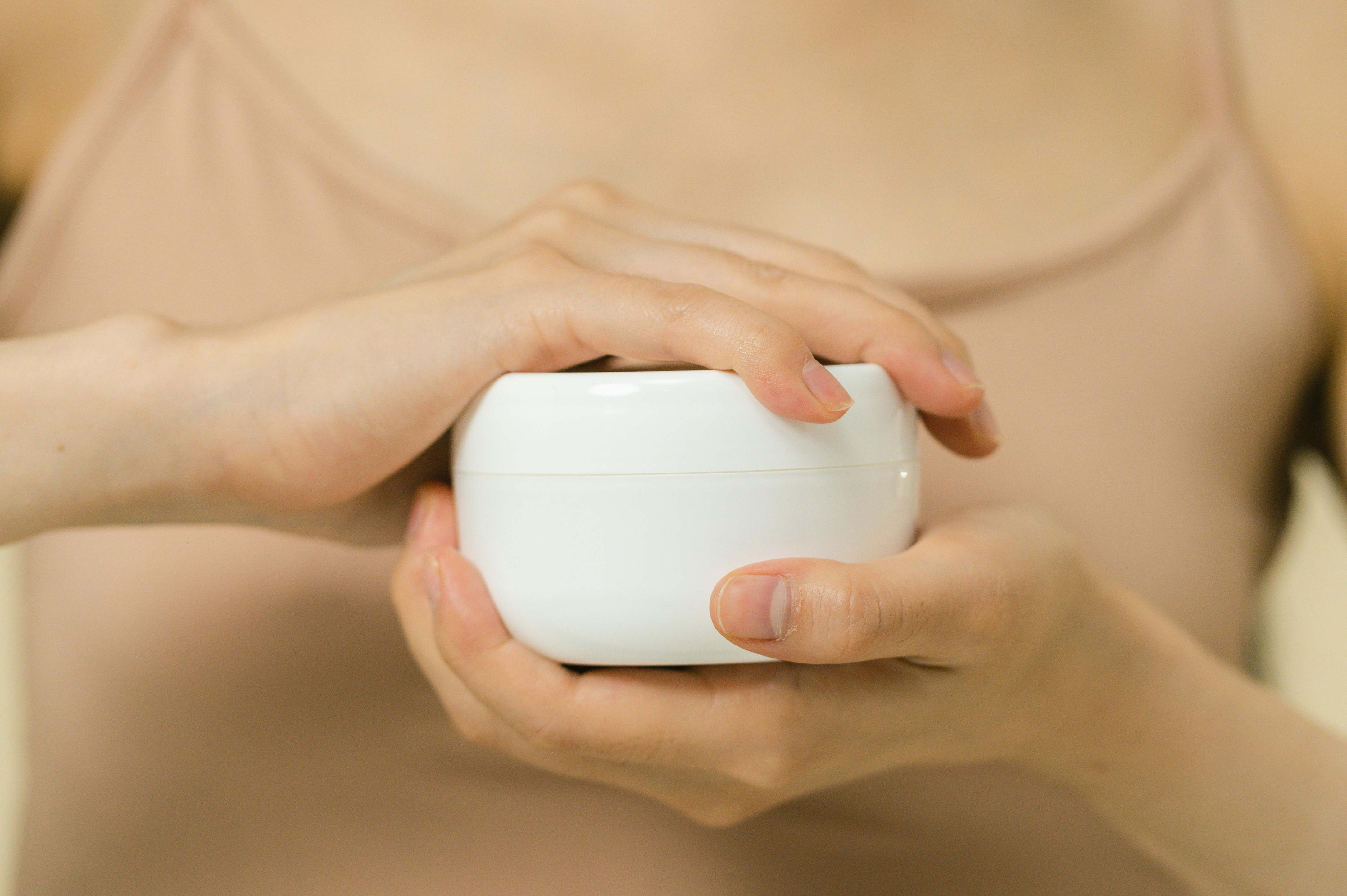
Bio-identical progesterone complements estrogen therapy by protecting the uterine lining, improving sleep quality, and providing mood-stabilizing effects. Unlike synthetic progestins, bio-identical progesterone has a molecular structure that aligns with natural progesterone receptors — producing calming effects rather than the side effects associated with synthetic alternatives.

Thyroid function often declines during perimenopause and menopause — and its symptoms (fatigue, weight gain, brain fog, cold sensitivity) closely mirror menopausal symptoms, making it easy to miss. Bio-identical thyroid hormone support addresses hypothyroidism and optimizes thyroid function for women whose levels fall in the 'technically normal but clinically symptomatic' range.

How the three hormones work together.
Most patients use two or three in combination. This table shows what each addresses individually — your physician designs the blend based on your lab results and symptoms.
| Feature | Estrogen ⭐ | Progesterone | Thyroid |
|---|---|---|---|
| Hot flashes / night sweats | ✓ Primary treatment | Supportive | ✗ N/A |
| Sleep quality | Supportive | ✓ Primary treatment | Supportive |
| Mood & anxiety | Supportive | ✓ Primary treatment | Supportive |
| Vaginal dryness / libido | ✓ Primary treatment | Supportive | ✗ N/A |
| Bone density protection | ✓ Primary treatment | Supportive | Supportive |
| Brain fog / cognition | ✓ Primary treatment | Supportive | ✓ When indicated |
| Fatigue / weight gain | Supportive | ✗ N/A | ✓ When hypothyroid |
BHRT works. The key is personalization and monitoring.
Decades of research on bio-identical hormone therapy consistently support its effectiveness for menopausal symptom relief. The controversy around hormone therapy that emerged from earlier studies involved synthetic hormones — structurally different compounds with different risk profiles. Bio-identical hormones, properly dosed and monitored, have a well-supported safety and efficacy record for most women.
From your first visit to feeling like yourself again.
We discuss your symptoms — in detail. Menopause presents differently for every woman, and understanding your specific experience is the foundation of the right protocol.
Full hormonal workup including estradiol, progesterone, FSH, LH, SHBG, testosterone, thyroid, DHEA-S, and cortisol. Results typically within 24–48 hours.
Your physician designs a hormone combination and dose matched to your labs, your symptoms, and your goals. Delivery format chosen based on your lifestyle and absorption preference.
Follow-up labs at 6–8 weeks. Protocol adjustments based on symptom response and blood levels. Ongoing monitoring to keep your hormones in the optimal therapeutic range.
Medicine that
gets you.
Over 15 years helping women in Las Vegas reclaim their energy, sleep, and wellbeing — with bio-identical hormone therapy that's personalized, not prescribed off a shelf.
Comprehensive hormonal panel
We test estradiol, progesterone, FSH, LH, SHBG, testosterone, thyroid, DHEA-S, and cortisol before prescribing anything.
Bio-identical hormones only
Molecularly identical to what your body produces — for better receptor binding, more predictable results, and fewer side effects than synthetic alternatives.
Individualized dosing
Every dose is based on your labs and your symptoms — not a standard protocol. We titrate until your symptoms resolve, not just until your numbers normalize.
Ongoing monitoring
Follow-up labs at 6–8 weeks, then quarterly. Your protocol adjusts as your hormones respond — because menopause is a moving target.
Women who've been
where you are.
Everything you
want to know.
You've been managing long enough.
Let's actually treat it.
A free consultation, a comprehensive hormonal panel, and a protocol built around your specific biology. Most patients notice a difference within the first 4–6 weeks.