Regenerative medicine. Real healing. No surgery.
Chronic pain, sports injuries, slow recovery, and tissue damage respond to treatments that stimulate the body's own healing mechanisms — not just mask the symptom. Shockwave therapy, PRP, and stem cell therapy are how modern medicine actually fixes what's broken.
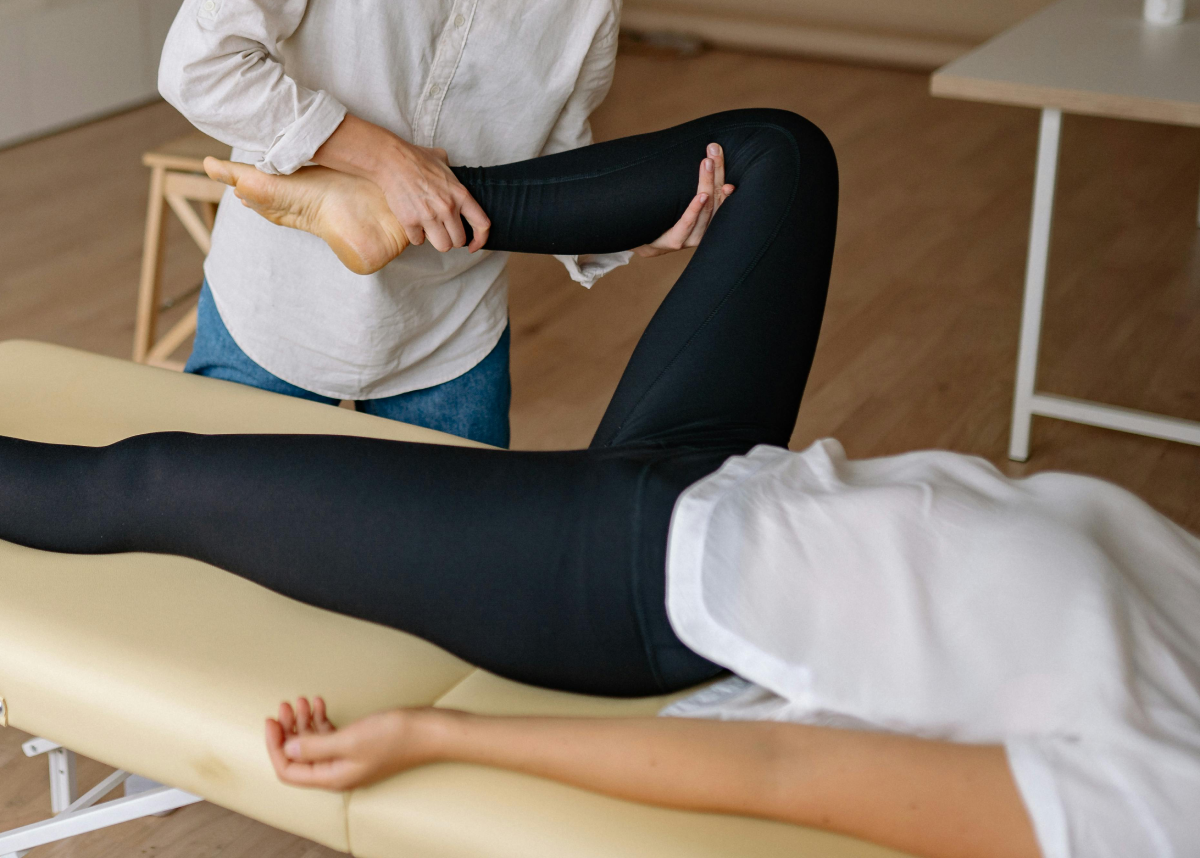
Pain and slow recovery are signals. Not sentences.
Regenerative medicine doesn't just manage symptoms — it addresses the tissue-level changes that cause them. The right treatment creates biological change, not just temporary relief.
Pain in the knee, hip, shoulder, elbow, or Achilles that's been present for months or years — often following an injury that never fully healed, or from cumulative overuse. Shockwave and PRP directly stimulate tissue repair at the site of damage.
Persistent muscle tightness, knots, or trigger points that physical therapy and massage temporarily relieve but never fully resolve. Shockwave therapy's mechanical action breaks up scar tissue and trigger point adhesions non-invasively.
Soreness that takes 3–4 days instead of 1–2. A general sense that your body isn't regenerating between sessions at the rate it should. PRP and stem cell therapy address the cellular recovery deficit directly.
Partial ligament or tendon tears, rotator cuff damage, or fascial injuries that haven't healed properly despite conventional treatment. PRP for injury creates the biological environment for genuine tissue repair — not just scar formation.
Structural connective tissue changes that create the dimpled appearance of cellulite — unresponsive to diet, exercise, or topical products. Shockwave therapy mechanically targets the fibrous septae responsible for this pattern.
Gradual reduction in hair density — diffuse thinning rather than pattern baldness — driven by follicle miniaturization that PRP reverses by restoring the growth-factor environment around dormant follicles.
Regenerative treatments don't require surgery, extended downtime, or ongoing medication.
They stimulate your body's own repair mechanisms — and the improvements they produce are structural, not temporary. A free consultation at IUVENTUS gives you a clear assessment and a realistic treatment plan.
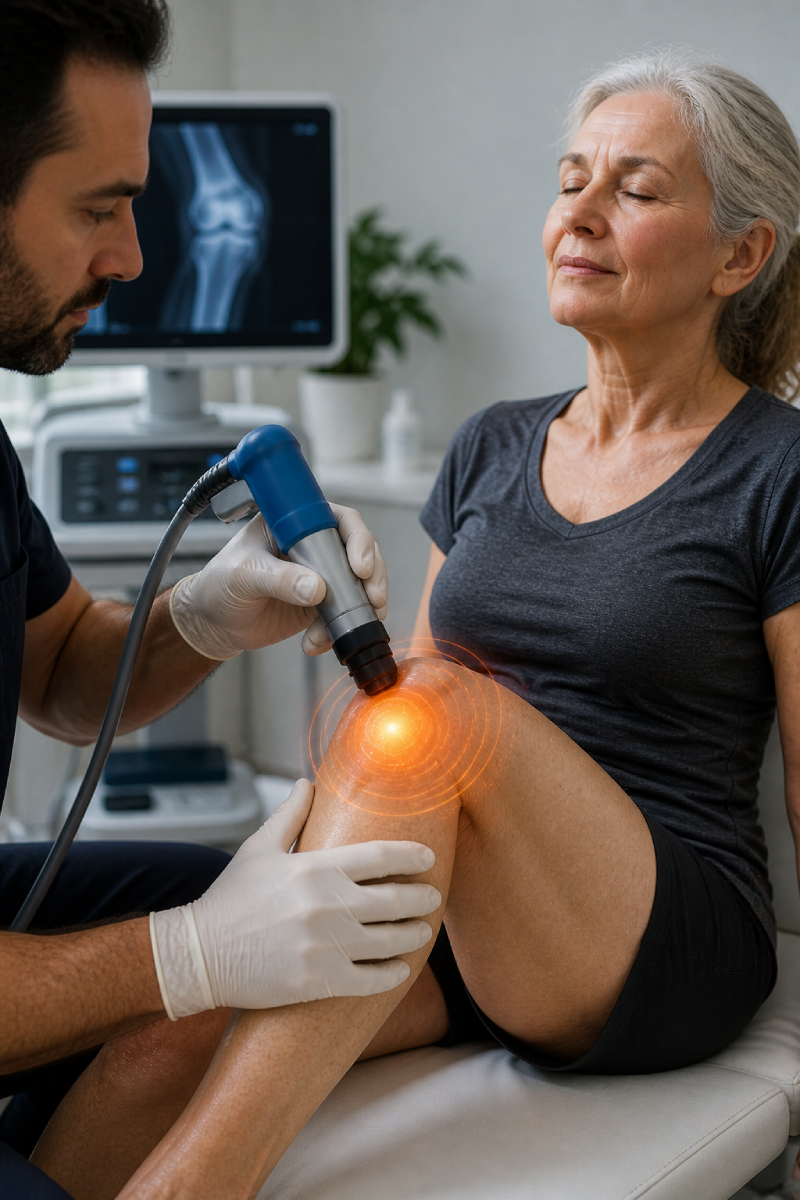
Tissue doesn't always heal on its own. These treatments give it what it needs to.
Healing requires growth factors, stem cells, and mechanical stimulation — and the availability of all three declines significantly with age and chronic injury. Tendons and ligaments have notoriously poor blood supply, meaning they heal slowly and incompletely without intervention. Joints accumulate scar tissue rather than regenerating properly. The result is chronic pain and structural compromise that conventional treatment — rest, NSAIDs, cortisone — manages but doesn't reverse.
Regenerative medicine works by reintroducing the biological signals that drive repair. PRP concentrates growth factors from your own blood and delivers them to the injury site. Shockwave therapy creates controlled acoustic microtrauma that triggers angiogenesis and growth factor release. Stem cell therapy introduces mesenchymal stem cells that differentiate into the tissue type needed and modulate inflammation systemically.
The evidence base for these treatments has grown substantially over the past decade. Shockwave therapy for plantar fasciitis, tendinopathy, and calcific shoulder is now Level 1 evidence in multiple guidelines. PRP for joint injury and hair loss has strong clinical support. These are not experimental treatments — they're evidence-based interventions that conventional medicine is slowly catching up to.
Imaging review (MRI or ultrasound if available), injury history, previous treatments and their outcomes, activity goals, and a complete picture of what you want to be able to do that you currently can't. Treatment success is measured against your functional goals — not just pain scores.
Five regenerative approaches. From pain relief to hair restoration.
All treatments are physician-administered. Your physician will recommend the appropriate treatment — or combination — based on your condition, imaging, and goals.
Not sure which one? We'll guide you after reviewing your bloodwork.
Low to mid-intensity acoustic pressure waves delivered to the site of chronic pain or injury. The mechanical stimulus triggers neovascularization, growth factor release, and calcification breakdown — stimulating genuine tissue healing rather than simply masking pain. Drug-free, non-invasive, no downtime.
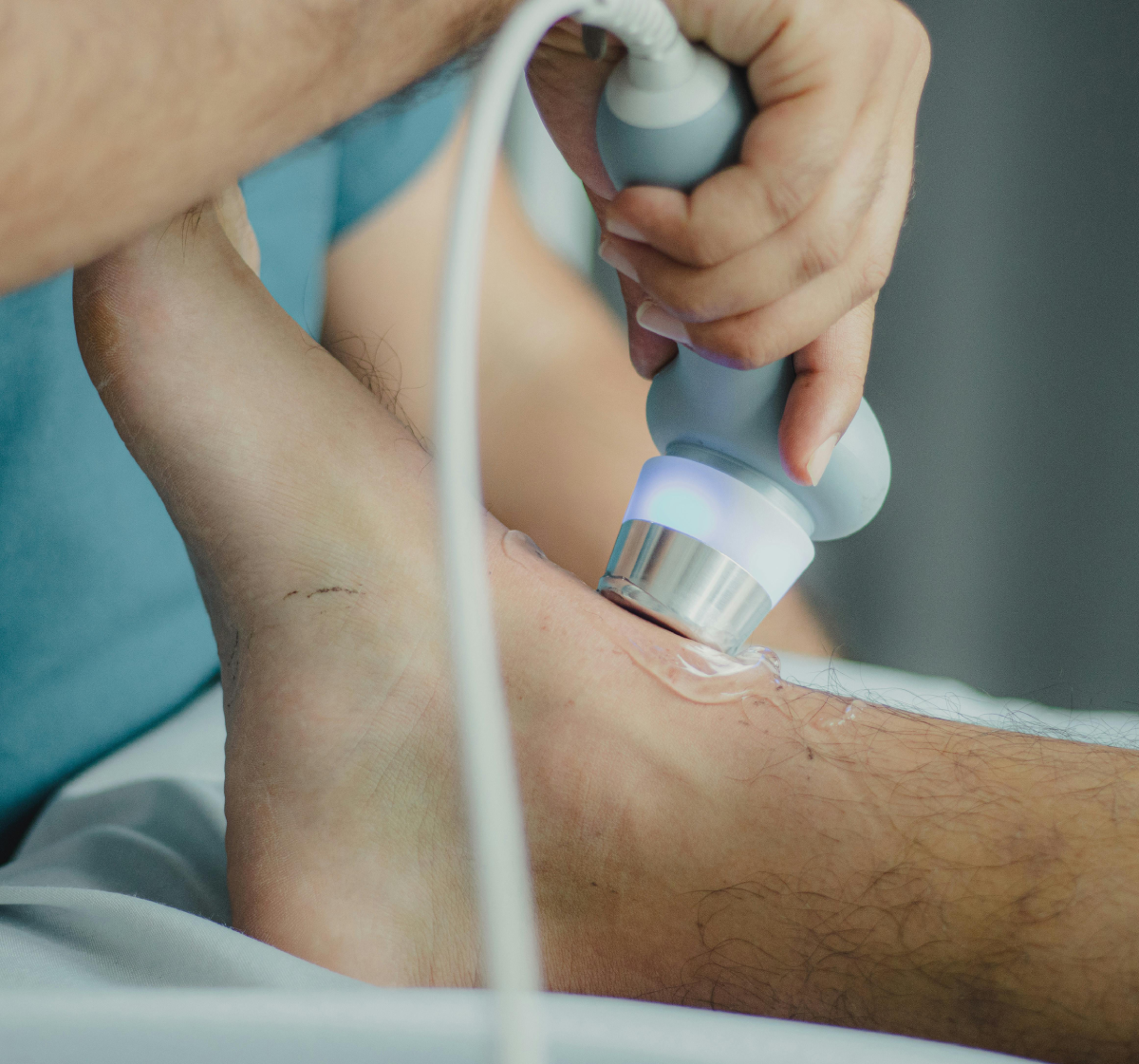
Radial shockwave therapy targeted at cellulite-affected areas — typically thighs, buttocks, and abdomen. The acoustic waves mechanically break up the fibrous septae that create the dimpled appearance of cellulite, improve local circulation, and stimulate collagen remodeling in the dermis.
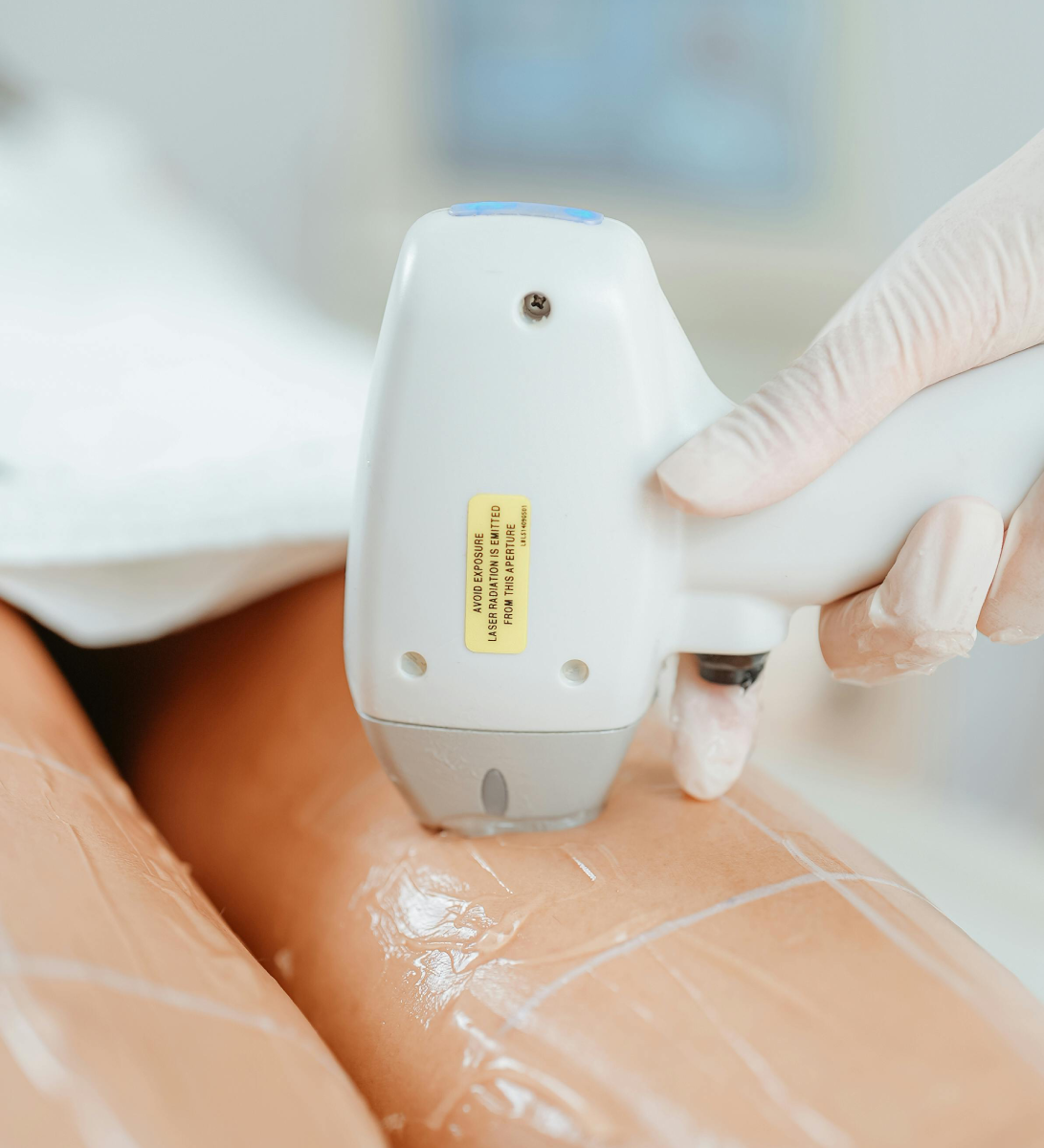
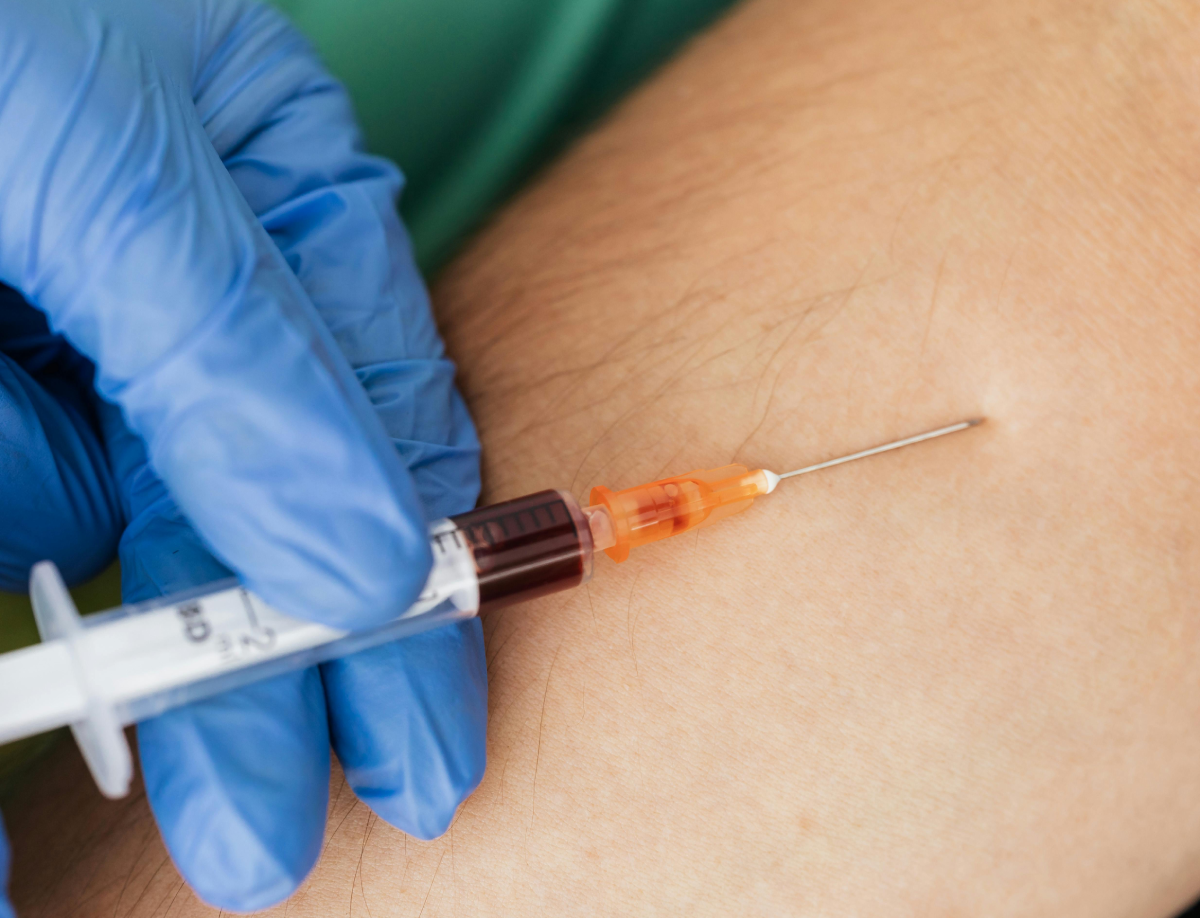
Platelet-rich plasma harvested from your own blood and injected at the site of musculoskeletal injury. PRP concentrates growth factors that directly stimulate tissue repair, collagen synthesis, and angiogenesis — creating the biological environment for genuine structural healing.
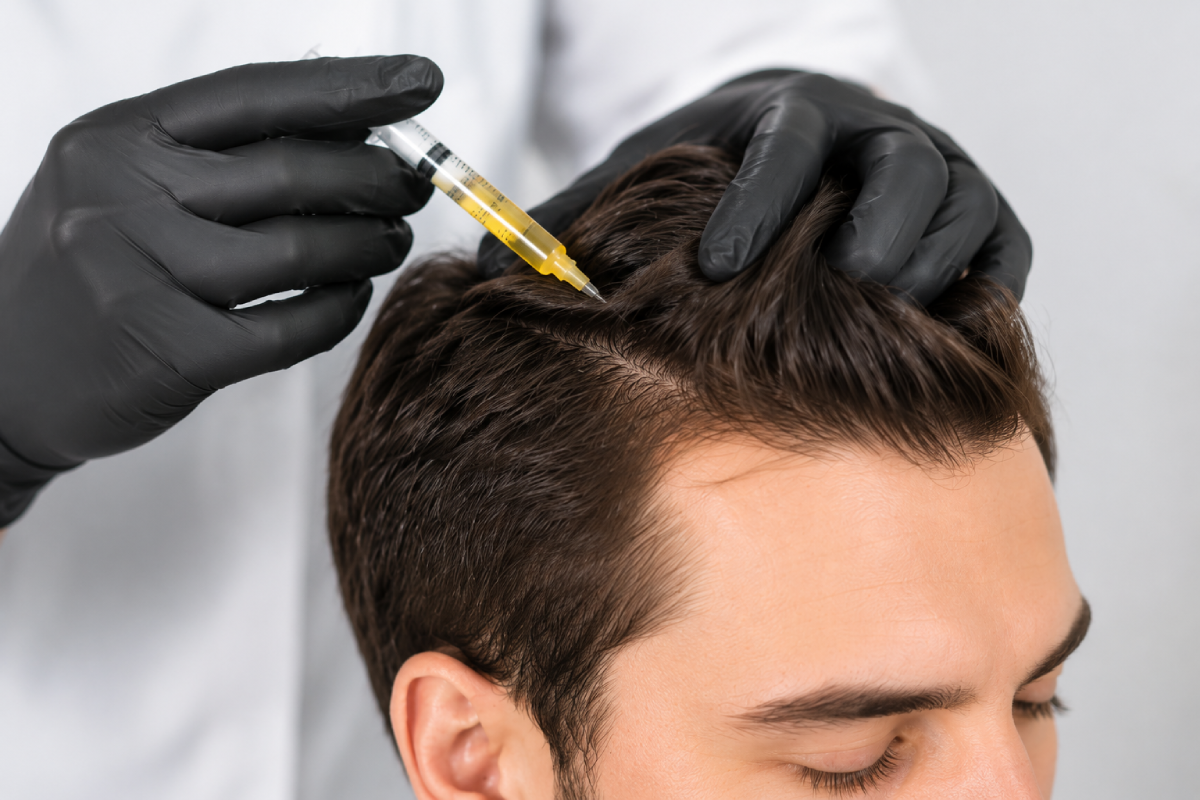
PRP injected into the scalp to stimulate dormant hair follicles and restore the growth-factor microenvironment that supports active hair growth. Targets androgenetic alopecia and diffuse thinning. Results are gradual and cumulative, with peak effect at 6–9 months.
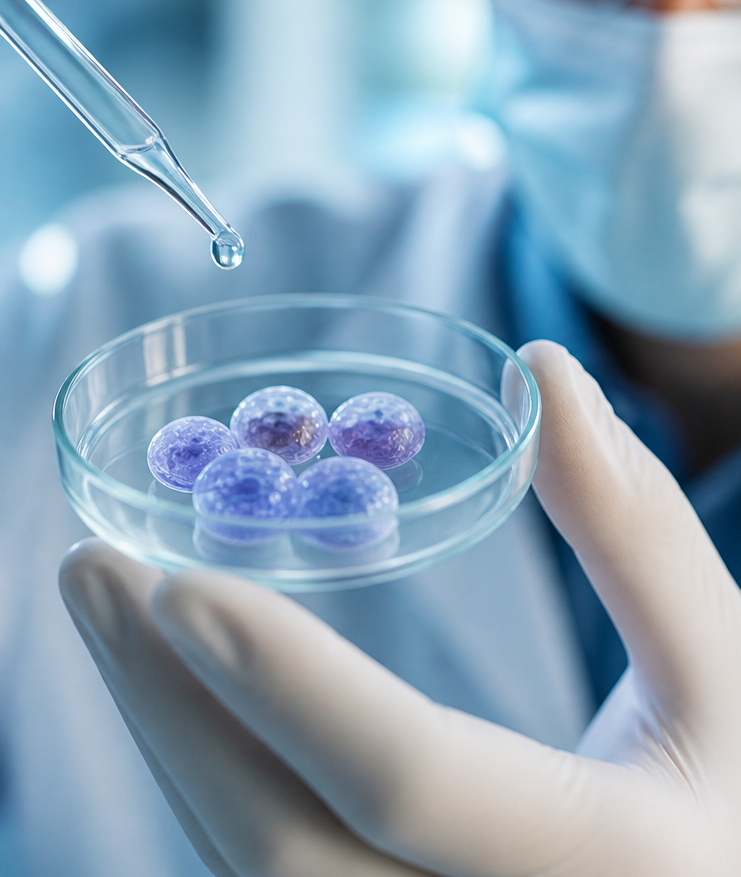
Mesenchymal stem cell therapy for patients seeking the deepest biological intervention for recovery, chronic inflammation, or whole-body tissue regeneration. Stem cells differentiate into the tissue type needed and release anti-inflammatory cytokines that modulate immune response systemically.
Which regenerative treatment is right for your condition?
Your physician will confirm based on your injury, imaging, and goals. Use this as a guide.
| Feature | Shockwave — Pain ⭐ | Shockwave — Cellulite | PRP Injury | PRP Hair | Stem Cell |
|---|---|---|---|---|---|
| Area targeted | Tendons/muscles | Skin/connective tissue | Joints/tendons | Scalp follicles | Systemic + local |
| Needles | ✗ None | ✗ None | ✓ Injection | ✓ Injections | ✓ IV/injection |
| Sessions | 3–6 | 8–10 | 1–3 | 3+ sessions | 1 |
| Onset of effect | Session 3 | Weeks 4–6 | Weeks 6–12 | Months 3–6 | Weeks 8–16 |
| Downtime | None | None | 1–3 days | 1–2 days | 1–3 days |
| Best for | Chronic pain | Cellulite | Injury repair | Hair thinning | Systemic recovery |
Regenerative treatments produce structural change. Not just symptom relief.
The distinction between treating pain and healing tissue is fundamental to regenerative medicine. Cortisone injections reduce inflammation temporarily — often at the cost of tissue integrity over time. Regenerative approaches work in the opposite direction: stimulating repair, restoring structure, and building the biological conditions for lasting improvement.
From assessment to healing.
We review your injury history, previous treatments, imaging, and functional goals. You describe what you can't do that you want to be able to do. That's the target.
Your physician recommends the appropriate treatment — or combination — based on your condition. No overtreatment, no defaults.
Most sessions are 15–45 minutes. Shockwave requires no preparation. PRP requires a brief blood draw. Stem cell therapy has a longer protocol but remains a single-session treatment.
Most patients return to normal activity immediately or within 1–3 days. We schedule a follow-up at 6–8 weeks to assess progress and determine if additional sessions are indicated.
Medicine that
gets you.
Over 15 years delivering regenerative medicine in Las Vegas — with evidence-based protocols and physician-administered treatments that produce structural results, not temporary relief.
Evidence-based only
We use treatments with clinical evidence behind them — not experimental protocols. Shockwave, PRP, and stem cell therapy have established research supporting their use.
Physician-administered
Every regenerative treatment is administered by a licensed physician — not a technician. Precision matters in regenerative medicine.
Non-surgical approach
All five treatments are non-surgical or minimally invasive — with no general anesthesia, no hospital stay, and minimal recovery time.
Functional goals, not just pain scores
We measure success by what you can do — not just how you score on a pain scale. Treatment planning is built around your specific functional objectives.
Real healing.
Structural results.
Everything you
want to know.
Your body has the capacity to heal.
Let's activate it.
A free consultation with our physician. A clear assessment of your condition. A regenerative treatment plan with honest expectations and evidence behind it.